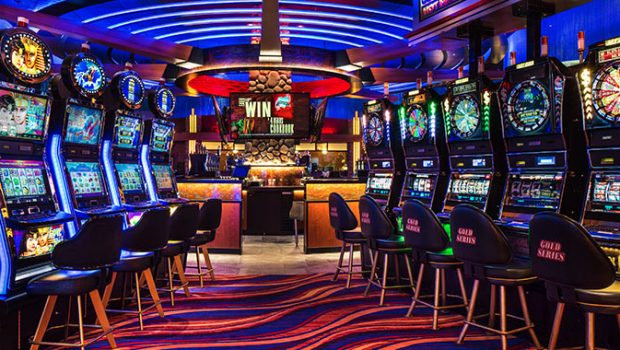
Most players believe session limits are just for people who are already out of control. I view them differently. A session limit serves as a budgeting tool that protects your enjoyment before trouble emerges. At Casinacho Casino, I consider responsible gambling as a component of the experience, not as a constraint. Establishing a clear finish line lets you make sharper decisions and prevents the session from drifting into fatigue or regret.
Handy Tools and Swiss Assistance
Casinacho Casino provides account-level controls that I suggest using as a regular practice. Establish your session reminder, deposit limit and loss limit before your opening game of the week. Review them monthly. If your financial situation alters, lowering a limit should be instant. Raising a limit should always demand a cooling-off period, because an increase in risk should never occur instantly.
- Swiss national gambling helpline: private assistance for gambling concerns
- Addiction Switzerland: unbiased details and prevention
- Your cantonal social service: local counselling referrals
- Casinacho Casino support: account limits and self-exclusion requests
Swiss gambling law deliberately places player protection at the center. I remind players that responsible gambling is not merely about avoiding addiction. It is about preserving your ability to enjoy the game without a hidden cost. A well-chosen session limit provides that. It enables you stay in control of the clock, your money and your attention, which is a more sustainable form of entertainment.
Session limits don’t revolve around draining the fun out of play. They offer your game a clean beginning, a defined middle and a safe end. I recommend using the tools at Casinacho Casino together with honest self-checks and Swiss support services. When the boundaries are defined, you expend less energy guessing and more energy enjoying the moment.
My Approach to a Playing Limit at Casinacho Casino
From my expert standpoint, a session limit must be defined before you launch the game lobby. I suggest writing down three figures: time, deposit and loss. The time limit is the amount of time you expect to play. The deposit limit is the amount of new money you are ready to commit. The loss limit is the point at which you stop even if the deposit is not fully used.
- Determine how much time you can truly spare.
- Define a deposit amount that doesn’t touch your essential spending.
- Define a loss limit under that deposit.
- Quit as soon as one of the limits is reached.
Duration Limits
A time limit performs optimally when it is based on real obligations, not on an unclear target. If you have dinner with family or a meeting in ninety minutes, plan the session for sixty. Maintain a buffer. When the timer sounds, shut down the game. Do not negotiate with yourself. The purpose is to make the end effortless, because every extra minute increases the chance of a mood-driven decision.
Deposit & Loss Limits
Deposit and loss limits are not the same. A deposit limit controls how much you transfer into your account. A loss limit controls how much you let yourself to lose before stepping back. I often see players define only a deposit limit and then pursue losses until the deposit is gone. A stricter loss limit secures your bankroll and your evening by ending the session at a predetermined pain point.
Self-Ban and Cooling-Off Periods
Sometimes a play limit is not enough. If you notice that you constantly break your own rules, a cooling-off period or self-exclusion might be the right instrument. At Casinacho Casino, these options are available for a reason. They are not sanctions. They are protective intervals that disrupt a t-online.de harmful rhythm and give you space to review your relationship with gambling.
A cooling-off period is typically short. It could be a few days or a week. Self-exclusion lasts longer and restricts access to your account for a defined period. Swiss regulation also includes a national exclusion register, which can extend protections across licensed casinos. I advise using these tools before a crisis develops, not after a heavy loss has already caused damage.
- A temporary block on your Casinacho Casino account
- Exclusion from promotional messages
- A cooling-off period before re-entry is possible
- Referral to an independent advisory service
What Happens During Self-Exclusion
Once a self-exclusion is in effect, you should not be able to sign in or place bets. The operator ceases sending tailored incentives. If the circumstances necessitate it, I advise contacting a support team to clarify the reopening conditions. Reopening is rarely instant. That delay is purposeful. It prevents an impulsive return and gives you a possibility to verify that the break has changed your habits.
Spotting Early Warning Signals
Most difficulties do not begin with a catastrophic loss. They originate with small shifts in routine. You might play longer than planned on consecutive evenings. You might conceal your playing from a partner. You might feel restless when you cannot access the casino. These signs matter because they appear before serious financial harm. I urge you to regard them as neutral information, not as a character flaw.
- Consistently extending the session beyond the planned end
- Topping up again shortly after a loss
- Taking money for play or covering losses from essential funds
- Dwelling about gambling during work or family time
If one of these markers appears, do not delay for proof that you have a serious problem. Modify your session limits immediately. Reduce your deposit ceiling or implement a shorter time limit. If the sign persists, move to a cooling-off period. Early action is cheaper and less disruptive than holding out for a full-blown crisis. You are not blowing things out of proportion; you are bringing pressure to a problem while it is still small.
Frequent Errors When Establishing Session Limits
One frequent error is configuring a session limit that is overly vague. “I will play for a while” is not a limit. A helpful limit is specific and measurable. I usually advise players to choose an exact number of minutes and a precise deposit amount in Swiss francs. Unclear intentions crumble under pressure, while clear rules can be followed without internal debate.
Another mistake is treating a limit as an average over several sessions. If you overshoot on Friday, you cannot simply cut Saturday and call it balanced. The damage from a single impulsive session is already done. Each session demands its own separate boundary. That approach may feel strict, but it prevents losses from accumulating quietly over a week.
Raising Limits Safely
If you want to increase a limit, I advise a waiting period of at least twenty-four hours. This pause distinguishes genuine lifestyle changes from temporary frustration. Ask yourself whether your budget has actually grown or whether you are attempting to recoup losses. If the answer is the latter, retain the lower limit. A safe increase should be boring, not emotionally urgent.
Why Session Limits Remain Important
I frequently hear that limits are unnecessary as a player only deposits what they can afford. That reasoning holds until time pressure, chasing behavior or several rapid losses change the picture. A session limit introduces structure before your state of mind alters. It eliminates the need to make a flawless choice in the middle of a heated moment, when your judgement is most likely to be compromised.
Casino games are designed to be captivating https://casinachos.ch/responsible-gambling/. The rhythm of spins, cards and hands can make an hour feel like five minutes. As the interface is fluid, you may fail to notice when the social pleasure ends and a mechanical routine starts. A session limit functions as an external cue. It informs you that the planned entertainment window has ended, even if your thoughts still desire one more spin.
The Swiss Context
Players in Switzerland benefit from a mature legal framework. Online gambling is only offered via licensed operators, and Casinacho Casino adheres to the regulatory standards in this market. Those standards incorporate responsible gambling safeguards. That means session limits are not an afterthought. They are part of a regulated framework intended to keep gaming as recreation rather than as a silent burden.
- It ensures spending in Swiss francs clear and trackable.
- It lowers the risk of trying to win back losses in one sitting.
- It matches your play with the legal emphasis on player protection.
FAQ
What is a casino session limit operate?
A casino session limit is a personal rule that sets how long, how much you deposit or how much you are willing to lose in one sitting. I use it as a planning tool. It signals the end of the entertainment window before you begin the game. It does not erase risk, but it reduces impulsive extensions and makes your decisions more consistent.
How to set a session limit at Casinacho Casino?
At Casinacho Casino, you can typically set session reminders, deposit limits and loss limits in your account settings. I recommend doing this before you start playing. If you cannot see the option, contact support directly. Inquire about the responsible gambling tools. A staff member should assist you through the setup. Hold a note of your chosen values so you can review them later.
Is it possible to change my limit immediately?
A limit reduction should apply quickly. An increase may be postponed. That is intentional. I back this approach because a fast increase can follow an emotional low. If you want to raise your session limit, give yourself a cooling-off period first. Reconsider why the old limit became insufficient. If the reason is a chase impulse, keep the limit unchanged.
What defines the difference between self-exclusion and a cooling-off period?
A cooling-off period is a brief pause, often from one day to several weeks. Self-exclusion lasts longer and blocks your account for a set timeframe under more stringent rules. I consider cooling-off a time for contemplation. Self-exclusion offers a more robust safeguard. Pick the one that fits the intensity of the indicators you see.
Are there resources in Switzerland for gambling issues
Yes. Across Switzerland, you can contact the country’s gambling support line or Swiss Addiction Services for unbiased assistance. Your local area could also provide funded counseling. These resources are confidential and separate from the casino. I advise noting the helpline number before you anticipate needing it. Reaching out early frequently eases the stress and clarifies which step suits your circumstances.
Are session limits a guarantee against developing a problem
No system can promise gambling stays trouble-free. A session limit reduces the chance of impulsive overplay, but it depends on honest self-observation. If you repeatedly ignore your limits, the tool is not working. In that case, I advise moving to stronger measures such as self-exclusion or professional advice. The objective is to pair the defense with the real risk you confront.